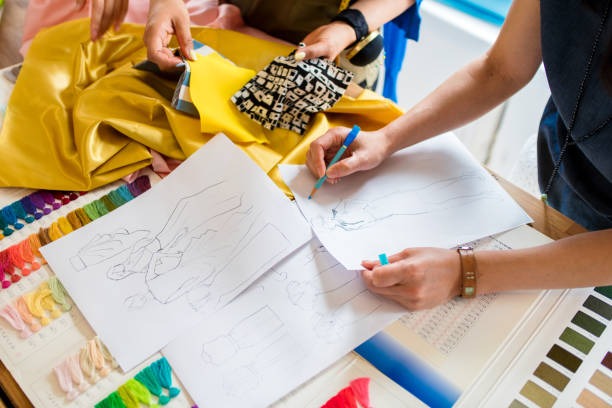

Fashion is a dynamic expression of individuality, tkxcloud.net yet it is deeply rooted in the cultural and lifestyle contexts from which it emerges. The way people dress often reflects saltandpickle.com their heritage, social environment, and daily routines, making personal fashion a impregnantnow.org obamnomicsoutsourcing.com complex interplay between external influences and internal preferences. Culture shapes fashion by providing symbols, traditions, and values that influence clothing choices. For example, traditional garments carry historical significance and convey identity within communities. These hikiculture.net cultural markers can be seen in various forms worldwide-from the intricate patterns of African textiles to the minimalist elegance of Japanese kimonos-each representing unique stories passed down through generations. Lifestyle further refines how culture manifests in personal style by dictating practical needs alongside aesthetic desires. A person’s occupation, climate conditions, social scrunchieandgo.com activities, and even technological engagement affect what they wear on a day-to-day basis. Someone living in an urban environment may prioritize sleek designs with functional elements suitable for commuting or office work. In contrast, individuals residing in rural areas might favor durable fabrics designed to withstand outdoor labor or changing weather patterns. The rhythm of life thus influences not only fabric choice but also garment construction and accessorizing habits. Moreover, globalization has introduced new dimensions to this relationship between culture and lifestyle in fashion. Exposure to diverse cultures through media and travel encourages blending styles across borders while still honoring original roots. This fusion creates innovative looks that resonate with contemporary lifestyles but remain anchored in cultural identity. However, such exchanges must be approached with respect to avoid appropriation-the misuse thebetteryounetwork.com or trivialization of significant cultural symbols-which can lead to misunderstandings or offense. Personal fashion also serves pethealingenergy.net as a form of communication that outofprintsoulandfunk.com transcends language barriers by signaling affiliations or aspirations shaped by one’s background and everyday experiences. Clothing can express political beliefs, religious adherence, or membership within subcultures defined by music genres or artistic movements. These choices reveal how individuals negotiate their place within larger societal frameworks while maintaining autonomy over self-presentation. The impact of technology cannot be overlooked when considering modern fashion influenced by culture and lifestyle. Advances like online shopping platforms enable access to global trends instantaneously while allowing consumers to customize purchases according to personal tastes linked with their cultural preferences or lifestyle demands. Social claytonflecter.com media further amplifies this effect by providing spaces where users share outfit ideas reflective of both tradition-inspired motifs and contemporary innovations tailored for specific ways of living. In conclusion, personal fashion operates at the intersection of culture and lifestyle as both shape what people wear beyond mere functionality or aesthetics alone. Cultural heritage offers foundational narratives embedded into clothing choices that affirm identity across time; meanwhile lifestyle requirements adapt these expressions into practical realities suited for individual circumstances today. Together they create a rich tapestry where clothing becomes more than fabric-it transforms into an ongoing dialogue about who we are within our communities as well as the broader world around us.